EN
 AR
 BG
 DA
 NL
 FR
 DE
 EL
 IT
 KO
 PT
 RO
 RU
 ES
 TL
 ID
 SR
 SL
 UK
 VI
 GL
 HU
 TR
 FA
 MS
 GA
 CY
 MK
 AZ
 KA
 BN
 BS
 LA
 MN
 NE
 MY
 KK
 UZ
 KY
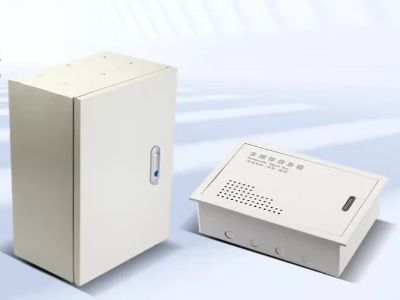
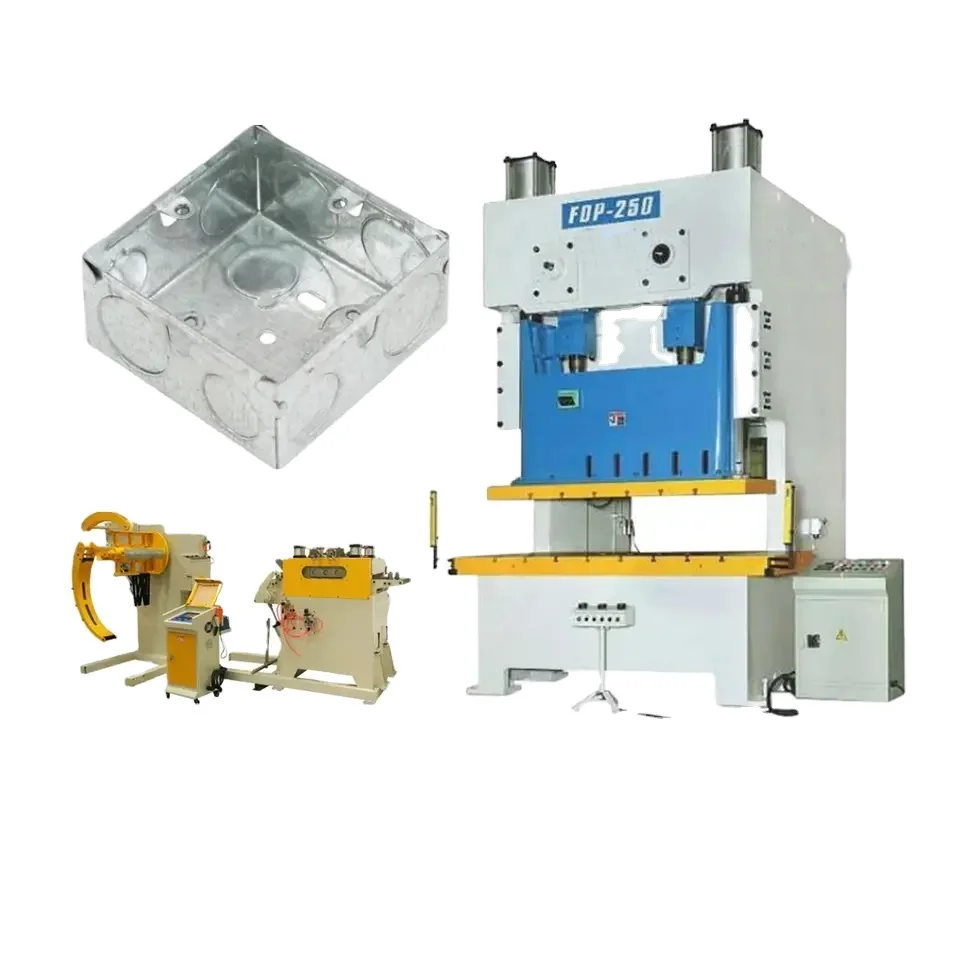
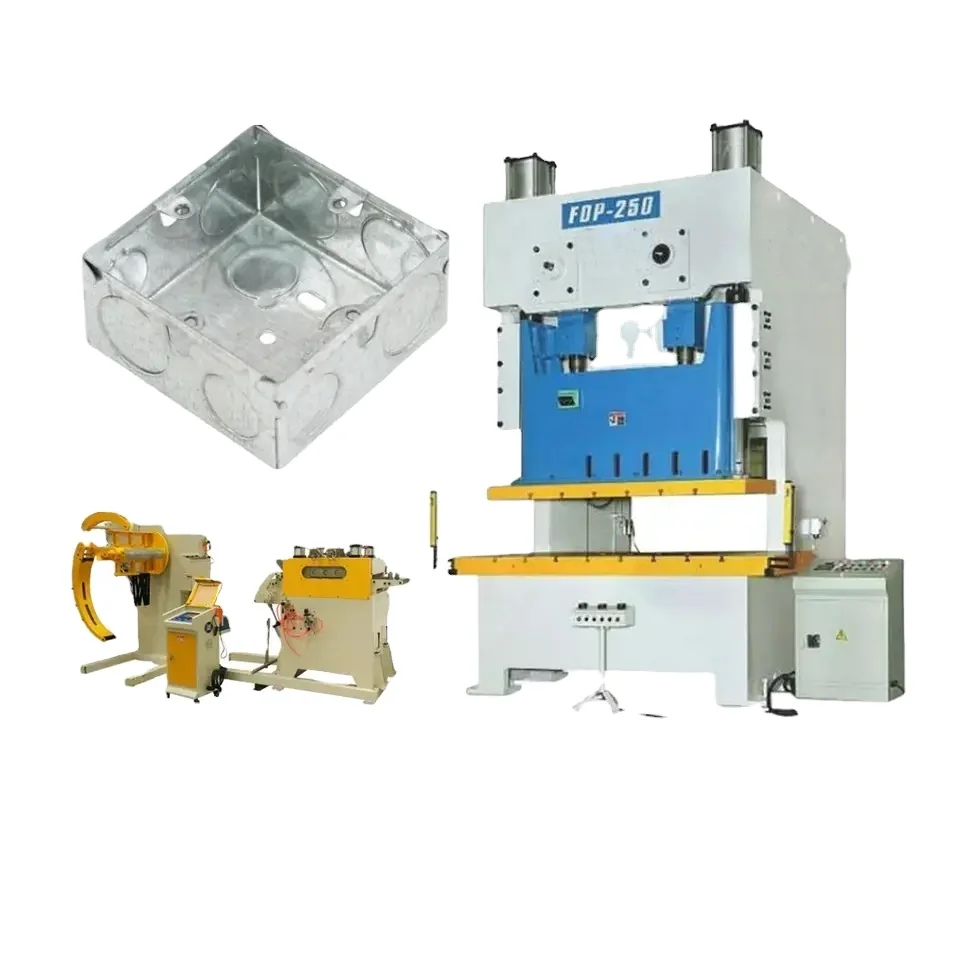
Electric junction boxes are critical components in electrical installations, providing a secure and organized way to house electrical connections. As a wholesale buyer, understanding the specifications and features of electric junction boxes is essential for ensuring safety, compliance, and functionality in your projects. This article will guide you through the key considerations for selecting junction box, helping you address common buyer concerns such as material quality, application suitability, and sourcing challenges.
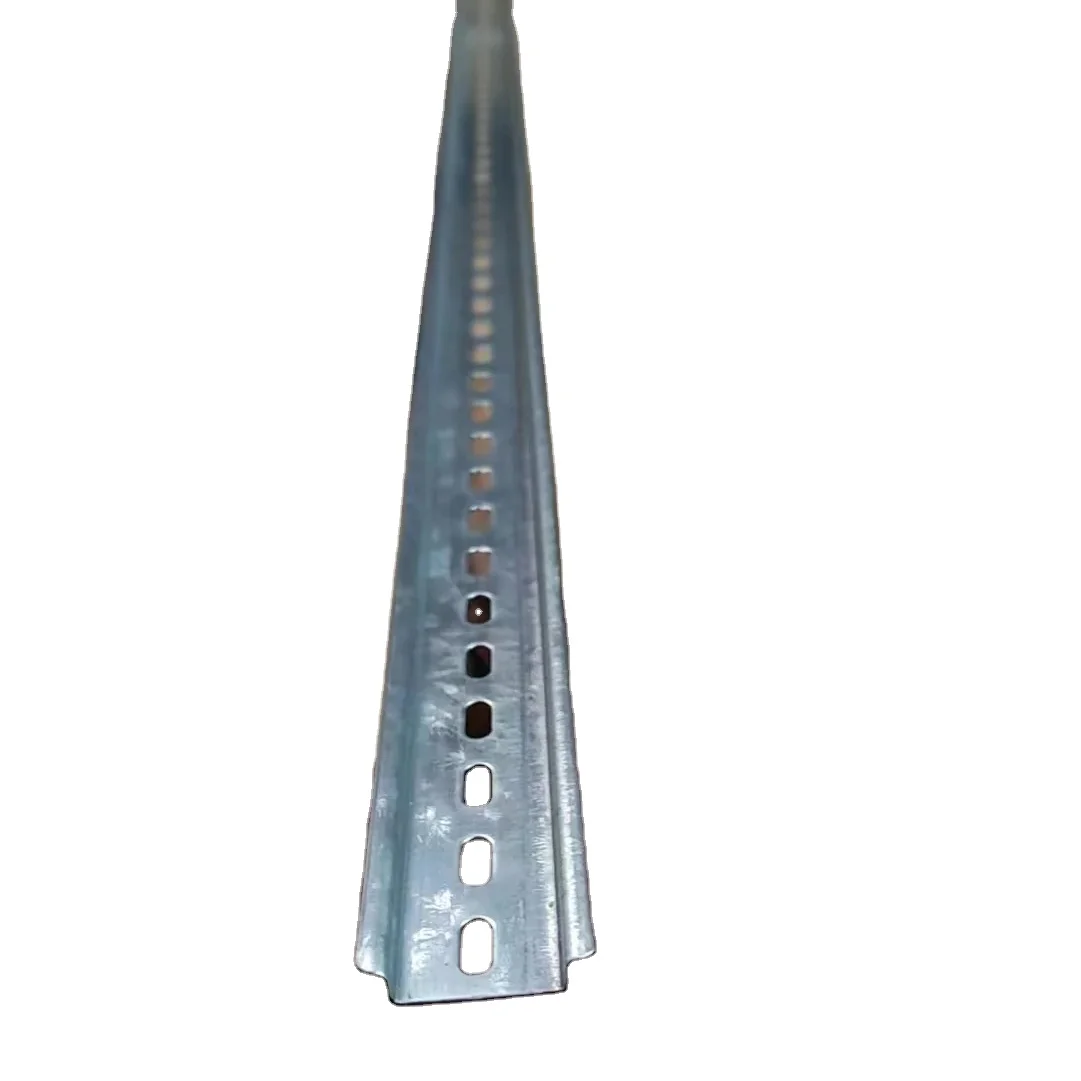
Best 5 Wholesale Suppliers for upright rack in Brazil
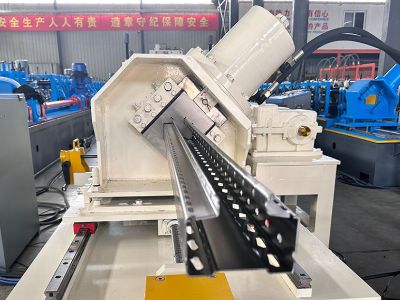
Finding the right wholesale suppliers for upright racks in Brazil is really important for business who need good storage solutions. Upright racks get used in a lot of places like warehouse, shops, and factories too. They help to keep things organized...
View More