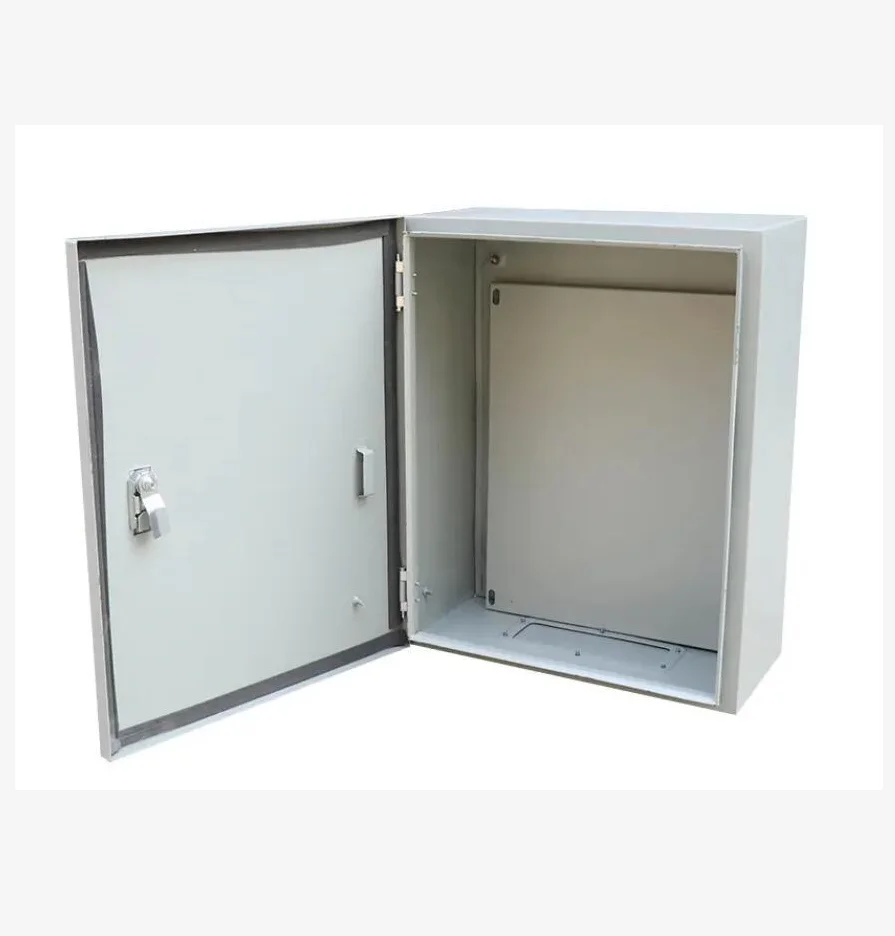
In electrical work, a junction box is where an electrician can safely and easily connect wires. Several aspects you need to consider while selecting a junction box and they include size, type of the material and design. Knowing the various parts of junction boxes can help avoid problems during an installation process. Here are some important notes about junction boxes to guide your decision when working on your next electrical project with YingYee Machinery co., Ltd.
Junction boxes can come in numerous sizes to fit different wiring requirements. Sizes Most Popular sizes are 1-gang, 2-gang and 3-gang boxes between shallow to deep. It is all about assuring the number of wires you have to connect with and the spaced in which it need to be installed. For instance, a 1-gang box would be used for single switch applications and a 3-gang box for three switches.
When searching for a junction box, you need to consider what the material the box is made of as well as the environment it will be in and how much wire should need put into it. For instance, if the project you are working is outside then we recommend using a waterproof junction box that has been built from robust materials such as PVC or aluminum. And don't just cram all those wires into a box; give them room to snap securely into the connector, without overcrowding the box (which can overheat and create dangerous conditions).
Incorrect installing of junction boxes results in various problems, including exposed wires, loosed-connections, and overloading. Installing junction boxes must be in accordance with local electrical codes and standards to avoid potential safety hazards and providing a long-life connection for the heating application. “There are some common mistakes like using the wrong-sized box, failing to secure wires and not grounding the box, which can cause electrical shocks or fire,” he said.
As technology has progressed through the years, junction boxes have developed additional features and become more sophisticated. Some of the hottest new ideas are ‘smart’ junction boxes with incorporated electrical monitoring, modularity for ease of installation and the tidy routing of cables. Such advancements not only make electrical systems more efficient, but also safer and easier to use.
These wire connections can be accomplished with a water-resistant junction box, protecting power sources and other electrical equipment from liquid, dust or debris. You can protect that connection with a waterproof junction box as long you want your electricity to be safe and reliable through the elements. These are sealed, water- and weatherproof boxes to protect wires, connectors and switches from the most corrosive of environments.